Can you get a mortgage on a listed building?
Yes — but it can be more complex than a standard property.
Listed buildings are considered higher risk by some lenders due to maintenance requirements, legal restrictions, and resale considerations. However, many lenders are still willing to consider these properties with the right approach.
Listed building mortgages are available, but fewer lenders offer them compared to standard properties.
Not sure if you can get a mortgage on a listed building?
Listed properties can require a more specialist approach, and choosing the wrong lender can lead to delays or declined applications.
At Kerr & Watson, we help you find lenders who are comfortable with listed buildings and structure your application correctly from the start.
What is a Listed Building?
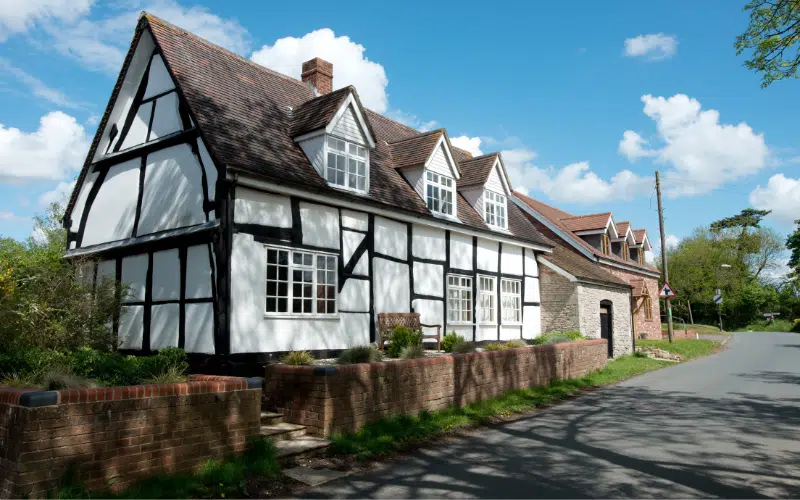
A listed building is one that has been officially designated as having significant historical or architectural interest.
These buildings are protected by law to preserve their unique features and heritage.
The official register of listed buildings recognises and safeguards structures deemed important to national history.
Categories of Listed Buildings
Listed buildings are categorised into different grades based on their importance:
- Grade I: Buildings of exceptional interest. Only around 2.5% of listed properties fall into this category.
- Grade II*: Particularly important buildings of more than special interest, making up around 6% of listed properties.
- Grade II: The most common category, covering buildings of special interest and representing around 91% of all listed properties.
Understanding the grade of the building is essential as it can influence your mortgage options and the terms offered by lenders.
Why are listed buildings considered higher risk by lenders?
Lenders assess listed buildings differently due to several key risks:
Resale concerns
Listed properties can appeal to a smaller market, making them harder to sell
Maintenance costs
Older buildings often require specialist repairs, which can be expensive
Legal restrictions
Alterations usually require listed building consent, limiting flexibility
Property condition
Some listed buildings may require ongoing restoration or repairs
Because of this, some high street lenders may be cautious, and you may need to use a lender experienced in this type of property.
How to get a mortgage on a listed building
While more complex, there are ways to improve your chances:
Work with a specialist mortgage broker
Not all lenders accept listed buildings, so access to the right lenders is key
Check the condition of the property
Lenders may require a detailed survey to ensure the building is structurally sound
Check lender property criteria
Some lenders may have restrictions based on the type, condition, or grade of the listed building, so confirming this early can prevent delays.
Review previous alterations
Unauthorised changes can cause issues during the mortgage process
Understand restrictions
Knowing what you can and cannot change helps lenders assess risk
Ensure insurance is in place
Specialist insurance is often required for listed properties
Speak to a solicitor early
Legal restrictions and permissions can impact your mortgage approval
Taking these steps early can make the process smoother and improve your chances of securing a mortgage.
Find out Your Options
Restrictions When Buying a Listed Building
Listed buildings come with a range of legal restrictions that you must be aware of. These restrictions are designed to protect the property’s historical integrity but can also limit your ability to make changes.
Common Restrictions Include:
- Consent for Alterations: Any modifications, even minor ones, often require approval from your local planning authority. Using like-for-like materials is generally allowed without prior consent, but major changes, such as replacing windows or adding extensions, need permission.
- Maintenance Obligations: You are responsible for maintaining the building’s historic features. This can mean sourcing specific materials or hiring specialist tradespeople, which can be costly.
Failure to comply with these restrictions can lead to legal consequences, so it’s crucial to understand your obligations before buying. We would recommend getting confirmation that the solicitor you plan to use has experience with listed properties.
Affordability and Deposit Requirements
When it comes to listed buildings, affordability assessments and deposit requirements can differ significantly from standard properties.
How much deposit do you need for a listed building mortgage?
Deposit requirements can vary depending on the property and lender.
Typically:
- 10%–15% deposit may be possible for standard cases
- 15%–25% deposit is more common for older or higher-risk properties
Higher deposits may be required if:
- The property needs significant work
- The building is Grade I or Grade II*
- You have a complex financial profile
How Much Can You Borrow?
Lenders usually base the loan amount on income multiples, typically between 3.5 and 5 times your annual income. However, affordability is key, and lenders will take into account the higher maintenance costs associated with listed buildings. If your financial profile is strong, you may be able to borrow more, but a comprehensive assessment is always carried out.
Affordability differs from lender to lender so best to speak with an independent mortgage adviser to find out how much you can borrow. You can find out an initial idea using our affordability calculators.
Can You Get a Mortgage for a Listed Building with Bad Credit?
Having bad credit can complicate your mortgage application, but it doesn’t always make it impossible.
Some specialist lenders are willing to consider applicants with a poor credit history, although you may need to provide a larger deposit or pay higher interest rates.
At Kerr & Watson, we assess your entire financial picture and work with lenders who are open to unique circumstances.
We’ll help you find the best possible solution based on your credit profile and the property you wish to buy.
Can You Get a Bridging Loan for a Listed Property?
Yes, many bridging lenders will consider listed properties, even where a standard mortgage may not currently be suitable.
Bridging loans for listed Buildings are often used to purchase quickly, fund renovations, cover auction purchases, or provide short-term finance while planning permissions or listed building consents are being obtained.
Lenders focus heavily on the property’s value and your exit strategy, bridging finance can offer greater flexibility than traditional mortgages.
However, listed buildings come with additional considerations, including specialist repairs, insurance requirements, and potential restrictions on alterations, so obtaining professional advice before proceeding is essential.
Why Use Kerr & Watson for Your Listed Building Mortgage?
At Kerr & Watson, we pride ourselves on offering tailored mortgage and protection advice that simplifies complex situations. Here’s why we are the best choice for your listed building mortgage:
Specialist Knowledge: We understand the challenges of listed buildings and have access to lenders who have an appetite for lending on these properties.
Whole-of-Market Access: Our network includes specialist lenders not typically available to the public directly, giving you a wider range of mortgage options.
Personalised Service: We take the time to understand your needs and provide bespoke advice, guiding you from initial consultation to mortgage completion.
Trusted Partnerships: We can connect you with surveyors, insurance providers, and legal experts to make the buying process more seamless.
When might a listed building mortgage be declined?
A lender may decline your application if:
- The property is in poor condition
- There are unauthorised alterations
- The building requires significant structural work
- Insurance is difficult to obtain
- The property is considered difficult to resell
In these cases, specialist lenders may still be an option, but criteria will be stricter.
Conclusion
Getting a mortgage on a listed building can be more complex than a standard property, but it is far from impossible.
With the right preparation, understanding of restrictions, and access to the right lenders, you can successfully secure a mortgage.
Need help getting a mortgage on a listed building?
At Kerr & Watson, we specialise in complex property types and know which lenders are comfortable with listed buildings.
We’ll help you avoid delays, structure your application correctly, and secure the right mortgage from the outset.
Get in touch with us today to get started.