
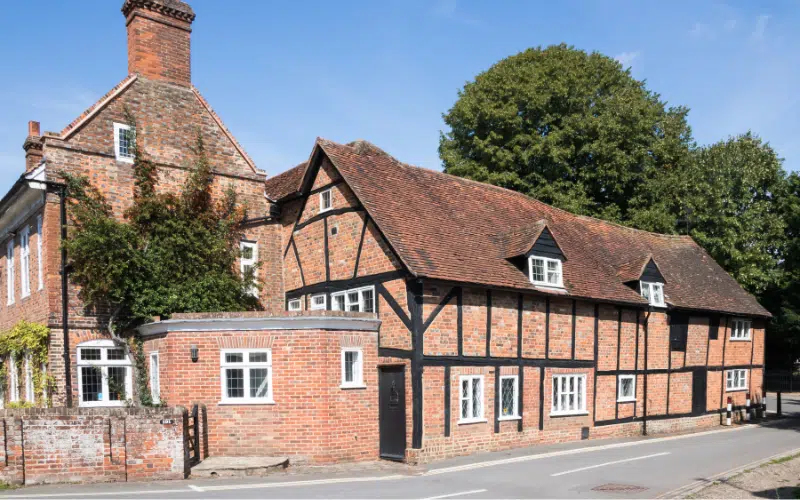
Can you get a bridging loan on a listed building?
Yes, bridging finance can be used to buy, renovate, or refinance a listed building, particularly where a standard mortgage is not suitable at the outset.
Listed buildings can be more complex because of consent requirements, specialist repairs, valuation concerns, and lender caution. A bridging loan can provide short term funding while works are completed, permissions are obtained, or a longer term mortgage is arranged.
Need funding for a listed building purchase or renovation?
Listed buildings often need a more specialist finance approach, especially if the property needs work or cannot currently meet standard mortgage criteria.
At Kerr & Watson, we help clients understand their bridging options, compare lenders, and structure a clear exit strategy from the start.
When can a bridging loan help with a listed building?
A bridging loan may be useful if:
- You are buying a listed property at auction
- The property is not currently mortgageable
- You need funds quickly to secure the purchase
- You are waiting for listed building consent
- You need to complete renovation or repair work before refinancing
- You plan to sell the property after improvements are complete
This type of finance is usually used as a short term solution, not a long term mortgage replacement.
Why listed buildings are treated differently by lenders
Listed buildings are protected due to their historic or architectural value. That protection affects what work can be done and how it must be carried out.
From a lender’s point of view, listed buildings can present challenges such as:
- Non standard construction methods
- Restrictions on alterations
- Specialist materials and repair costs
- Longer planning and consent timelines
- Limited comparable sales for valuation
These factors can make lenders cautious, especially if the property is not currently suitable to live in or needs significant work. Even if the long term value looks strong, many mortgage lenders prefer properties that already meet modern living standards.
This is where alternative funding, such as bridging finance, often becomes part of the conversation.
Lenders are not only assessing the building’s current condition. They are also considering how easy it would be to resell, whether the works are realistic, whether the correct permissions can be obtained, and whether the property will be suitable security once the project is complete.
What a bridging loan is and how it works
A bridging loan is a short term loan designed to cover a temporary funding gap. It is commonly used where speed or flexibility is more important than long term cost.
For listed buildings, bridging loans are often used to:
- Buy a property quickly
- Fund essential repairs or renovations
- Allow time for listed building consent
- Bridge the gap before refinancing or selling
The loan usually runs for a set period, often between six and twelve months.
The intention is always to repay it through a clear exit plan, such as selling the property or switching to a mortgage once the work is complete.
Are bridging loans for listed buildings regulated?
Some bridging loans are regulated and some are not.
If the loan is secured against a property you live in, or intend to live in, it may be regulated. If the loan is for investment, commercial purposes, or a property you do not intend to occupy, it may be unregulated.
This distinction matters because regulated and unregulated bridging loans are assessed differently and may have different lender requirements.
A broker can help you understand which category applies before approaching lenders.
Why bridging loans can suit listed building purchases
In many cases, bridging loans are better suited to listed buildings than traditional mortgages at the outset.
Speed is one of the main reasons. If you are buying at auction or dealing with a tight deadline, waiting several months for a mortgage decision may not be practical. Bridging lenders can often move much faster.
Flexibility is another factor. With older buildings, unexpected issues are common once work begins.
Bridging lenders tend to be more understanding of this than mortgage lenders, provided there is a sensible plan in place.
Interest is often added to the loan rather than paid monthly. This can help manage cash flow while the property is being renovated and not generating income.
It is important to note that bridging loans are not suitable for all situations, and sometimes a standard mortgage may be the best fit. It is recommended to speak with a broker that can weigh up both options before making a recommendation.
Common situations where bridging loans are used
Applicants typically use bridging loans for listed buildings in situations such as:
- Auction purchases with short completion deadlines
- Properties that are empty or not currently habitable
- Homes needing major repairs before mortgage eligibility
- Purchases where planning or consent is still pending
Short term ownership before resale or refinance
These are not unusual situations with listed properties. In many cases, bridging finance simply allows you to move forward while longer term plans are put in place.
Using a bridging loan to buy a listed building at auction
Listed buildings are sometimes purchased at auction, where completion deadlines are often short.
A standard mortgage may not complete quickly enough, especially if the property requires specialist valuation, legal checks, or renovation work.
A bridging loan can help secure the property within the auction deadline, giving you time to complete works, obtain consent, sell another property, or refinance later.
Listed building consent and planning
One area that often causes confusion is consent. Listed building consent is separate from planning permission and applies to any work that affects the character of the building.
Some lenders are happy to provide bridging finance before consent is fully in place. Others will want clarity on what is required and when approvals are expected.
What matters most is having a realistic timeline and understanding what work can and cannot be done. Working with experienced professionals can reduce delays and unexpected costs.
Insurance considerations for listed buildings
Listed buildings can require specialist insurance because repair and rebuild costs may be higher than standard properties.
Insurers may consider:
- The building’s age and grade
- Materials used
- Previous alterations
- Renovation plans
- Whether the property is occupied or empty
Lenders will usually want to know that suitable insurance can be arranged before funds are released.
Speak to an Adviser Today
How lenders assess bridging applications for listed buildings
Bridging lenders focus less on income and more on the property and the exit plan.
They will usually look at:
- The property value and condition
- The loan to value ratio
- Your experience or professional support
- The proposed exit strategy
- Planning or consent position
Having a clear plan makes a big difference and you should not be entering a bridging loan unless you have a clear plan on how you intend to pay the lender back.
How much can you borrow with a bridging loan on a listed building?
The amount you can borrow depends on the property value, condition, loan to value, and exit strategy.
Many bridging lenders will consider loans up to around 70% to 75% loan to value, although this depends on the property and overall case.
If the building needs significant work, the lender may be more cautious or base lending on the current value rather than the expected value after renovation.
Costs and things to be aware of
Bridging loans usually cost more than standard mortgages. This reflects the short term nature and added risk.
Typical bridging costs may include:
- Monthly interest
- Arrangement fees
- Valuation fees
- Legal fees
- Broker fees
- Exit fees, where applicable
Interest may be paid monthly, retained, or rolled up and repaid at the end of the loan. The right option depends on your cash flow and exit plan.
It is important to budget carefully and allow for delays. Listed buildings often take longer than expected, so having contingency time and funds is sensible.
If you are unable to pay the lender back in the agreed time, you may incur further costs, such as additional fees or being placed on the default interest rate.
When might bridging finance not be suitable?
Bridging finance may not be suitable if:
- You do not have a clear repayment plan
- The project costs are uncertain
- Listed building consent is unlikely to be granted
- The property is difficult to value or resell
- You cannot refinance at the end of the term
- The costs would make the project financially unviable
This is why advice is essential before committing to a listed building purchase or renovation.
The importance of a clear exit strategy
Every bridging loan needs a clear exit. This might be selling the property once works are complete or refinancing onto a mortgage.
If refinancing is the plan, it helps to speak to a mortgage adviser early to make sure this is viable. You will likely need to prove this to the bridging lender for them to agree the loan.
This ensures the finished property will meet lender requirements and avoids surprises later.
Common exit strategies include:
- Refinancing onto a residential mortgage
- Refinancing onto a buy to let mortgage
- Selling the property after renovation
- Using sale proceeds from another property
- Repaying from investments or other liquid assets
The exit route must be realistic, evidenced, and suitable for the lender.
What happens if you do not pay your bridging loan back on time
If you do not repay a bridging loan by the agreed end date, the loan is classed as being in default and interest continues to accrue, usually at a higher default rate set out in the loan offer.
This rate is often more expensive than the original rate and is typically calculated daily, which means the balance can increase more quickly than expected.
The lender may also charge additional fees while the loan remains unpaid. Even if the lender allows the original rate to continue for a short period, the loan is still technically in default once the term has expired.
This is why having a realistic exit plan and allowing time for delays is so important when taking out bridging finance.
Frequently asked questions about bridging loans for listed buildings
Can you use bridging finance to renovate a listed building?
Yes, bridging finance can be used for renovations, repairs, or refurbishment, subject to lender criteria and any required consent.
Do you need listed building consent before applying?
Not always. Some lenders may consider applications before consent is fully granted, but they will want to understand the proposed works and timeline.
Can you get a mortgage after using a bridging loan?
Yes, if the property meets lender criteria after works are complete, you may be able to refinance onto a standard mortgage.
Are listed buildings harder to finance?
They can be, because lenders consider condition, permissions, specialist repair costs, insurance, and resale value.
Conclusion
Bridging loans for listed buildings can be useful where speed, flexibility, or renovation funding is needed.
They can help you buy a property quickly, complete essential works, obtain consent, or prepare the building for a longer term mortgage.
However, bridging finance is not suitable for every situation. Costs are higher than standard mortgages, and the exit strategy must be clear from the start.
Need help arranging finance for a listed building?
At Kerr & Watson, we help clients compare bridging lenders, understand costs, and structure a realistic exit plan.
Speak to us today for tailored advice before committing to a listed building purchase or renovation. If you are considering a listed building purchase or renovation and want clear advice, speak to Kerr & Watson.