
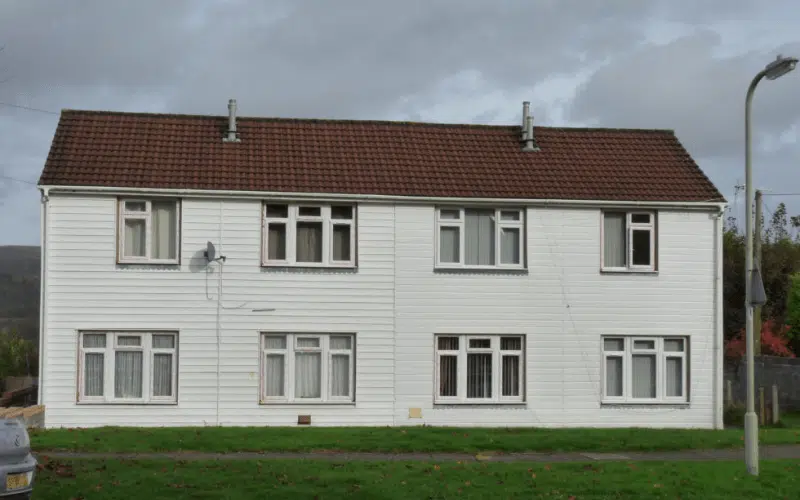
How to Get a Mortgage on a Concrete House: Expert Advice for Non-Standard Properties
If you’re considering buying a concrete house, you may have already encountered challenges in securing a mortgage.
Properties built with concrete fall under the category of non-standard construction, which can make lenders more cautious. However, with the right approach, it may be possible to secure a mortgage for a concrete home depending on certain factors.
Understanding the risks associated with concrete properties and knowing how to improve mortgage eligibility can make a significant difference in your application.
Why Are Concrete Houses Harder to Mortgage?
Lenders typically prefer homes built with brick and mortar as they are seen as structurally sound and easier to resell. Concrete homes, particularly older ones, may present issues such as:
- Structural degradation – Some types of concrete, especially those built post-war, have been known to deteriorate over time.
- Limited resale market – Buyers and lenders alike may view concrete homes as riskier, reducing the potential buyer pool.
- Higher maintenance costs – Some concrete homes require significant repair work to meet mortgage standards.
Because of these risks, some lenders limit loan-to-value (LTV) ratios, require additional surveys, or may not lend on certain concrete house types at all.
This is where expert mortgage advice from Kerr & Watson can be invaluable.
Types of Concrete Construction Properties
Not all concrete homes are the same, and some types are more acceptable to lenders than others. Understanding the type of concrete construction can help determine your mortgage eligibility.
Precast Reinforced Concrete (PRC) Homes
These were built between the 1940s and 1970s and were meant to be a quick housing solution. Many have since been identified as structurally unsound, making them difficult to mortgage unless repaired to an approved standard with all the certification to verify this. They are still outside of some lender’s criteria.
Wimpey No-Fines Construction
Wimpey No-Fines homes were built without fine aggregates like sand, making them more insulated but potentially less structurally sound. Some lenders will mortgage these properties, especially if they have undergone structural assessments and the surveyor is happy that they are good security for the lender.
Cornish Units
Common in certain regions, Cornish Units require approved refurbishment schemes before many lenders will consider offering a mortgage.
Woolaway and Reema Construction
These were designed for quick post-war housing but often require PRC certificates or additional structural work to be mortgageable, and the surveyor to sign them off as acceptable to the lender.
Find out Your Options
Improving Your Mortgage Chances on a Concrete House
If you’re looking to buy a concrete home, here are some ways to strengthen your mortgage application:
Obtain a Structural Survey
A detailed structural survey can assess the condition of the property. Lenders often require this for non-standard construction homes, and having one ready can speed up the approval process as they may ask for this at a later stage. This may also give you valuable information which could change your mind about the property.
Look for Properties with PRC Certification
If the home has undergone approved repairs, a PRC certificate can significantly improve mortgage approval chances. Some lenders will only consider concrete homes with this certification so knowing it exists will give you peace of mind and hopefully help the process.
Save for a Larger Deposit
Many lenders offer lower LTV ratios on non-standard properties. A larger deposit—typically 25% or more, can potentially improve your chances of securing a mortgage with some lenders. Take professional advice regarding this form a mortgage adviser.
Use a Mortgage Broker
Not all lenders offer mortgages on concrete properties, but some specialist lenders do. At Kerr & Watson, we have access to lenders who understand these properties and can help you secure the best deal, as long as criteria is met by both the property and applicant.
Consider a Refurbishment Mortgage
If the property needs significant repairs to meet lender standards, a refurbishment mortgage might be an option. This allows you to borrow funds to bring the property up to standard before switching to a standard mortgage. Again, this is not to be entered lightly and not suitable for everyone, so take professional advice.
Can You Get a Mortgage on an Ex-Council Concrete House?
Many ex-council properties are built using concrete, which can make mortgage approval more difficult. Additional considerations include:
- Leasehold vs. freehold – Many ex-council homes are leasehold, and short lease terms can impact mortgage eligibility.
- High-rise restrictions – Some lenders have height restrictions and may not lend on flats above four or five storeys.
- Location and marketability – Lenders assess the demand for similar properties in the area, which affects resale value.
The Role of Mortgage Brokers in Securing a Loan for a Concrete House
Navigating the mortgage process for a concrete home can be complex, but using a mortgage broker can help:
- Identify suitable lenders – Some banks and building societies accept non-standard properties. Your mortgage broker can carry out the research needed once they have full details about your situation and the property that you are looking at.
- Advise on required documentation – Helping you obtain necessary reports and certificates for the property and guiding you on what would be needed for an application such as bank statements, payslips and ID.
- Save you time and effort – Limit rejections by applying to lenders who are more likely to approve your mortgage.
At Kerr & Watson, we have extensive experience in helping clients secure mortgages for homes built in many different construction methods. We work with a variety of lenders who understand non-standard construction if you are meeting their lender criteria.
Conclusion
Getting a mortgage on a concrete house is possible, but it requires careful planning and the right approach. It will also be dependent on the property meeting criteria for the lender, and this varies across the different banks and building societies.
Understanding the construction type, obtaining the necessary certifications, and working with a specialist mortgage broker can improve your chances of securing financing.
If you’re looking to purchase a concrete home, contact Kerr & Watson today for expert mortgage advice.
We’ll guide you through the process and help you look for the right lender to meet your needs.