
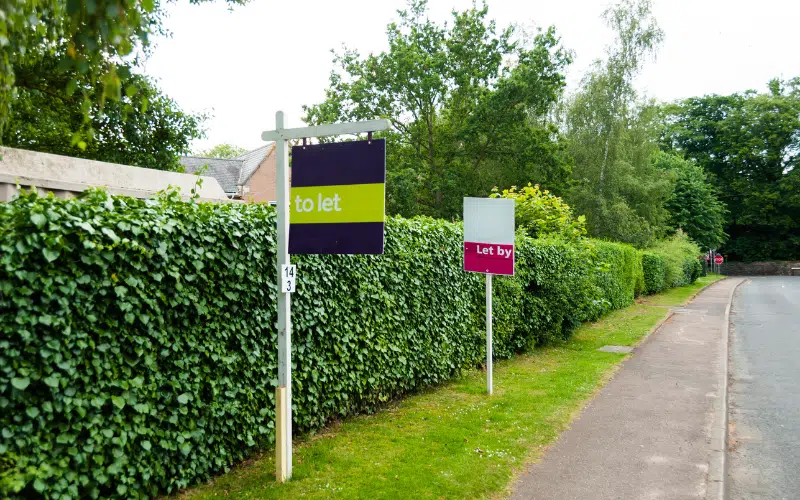
Buy to Let Mortgage Deposits: Everything You Need to Know Before Investing in Property
Investing in property can be a lucrative venture, and buy-to-let mortgages are a popular choice for those looking to enter the rental market when they can not buy with cash or prefer not to use all of their own funds.
Understanding the deposit requirements for buy to let mortgages is important for making informed investment decisions. This guide explores the key aspects of buy-to-let mortgage deposits, offering insights and advice to help you know what to expect.
What is a Buy-to-Let Mortgage?
A buy-to-let mortgage is designed specifically for individuals who want to purchase property to rent out. These mortgages differ from standard residential mortgages in several ways:
- Higher Deposits: Buy-to-let mortgages typically require larger deposits than residential mortgages.
- Interest Rates: Interest rates on buy-to-let mortgages are usually higher and the product fees can be too.
- Rental Income: Lenders focus more on the potential rental income from the property than on the borrower’s personal income, however this is looked at too. The amount of deposit needed can be dictated by the projected rental income.
How Much Deposit Do You Need?
Minimum Deposit Requirements
The amount you need as a deposit for a buy-to-let mortgage varies, but here are some general guidelines:
- Typical Deposit: Most lenders require a minimum deposit of 25% of the property’s purchase price.
- Larger Deposits: Some lenders may ask for a deposit as large as 40%, especially for higher-risk borrowers or if a property has a lower yield. Some lenders offer stricter rental stress tests for higher rate taxpayers or applicants taking a mortgage with a fixed period of less than 5 years.
- Lower Deposits: It may be possible to secure a buy-to-let mortgage with a deposit as low as 15%, but these deals come with higher interest rates, higher stress tests and fewer options.
Loan-to-Value Ratio
The loan-to-value ratio (LTV) is a critical factor in determining your deposit amount:
- LTV is the ratio of the loan amount to the property’s value. For instance, a 75% LTV means you’re borrowing 75% of the property’s value and providing a 25% deposit.
- Impact on Borrowing: A lower LTV ratio often results in better mortgage terms, while a higher LTV can lead to higher interest rates.
Example Calculation
If you’re purchasing a property valued at £200,000:
- 75% LTV: You would need a deposit of £50,000 (25% of £200,000).
- 60% LTV: You would need a deposit of £80,000 (40% of £200,000).
Find out Your Options
Factors Influencing Deposit Requirements
Rental Income and Coverage
Lenders not only look at the deposit but also at the rental income the property can generate:
- Rental Cover: Most lenders require the rental income to cover at least 125% to 145% of the monthly mortgage interest payments. For example, if your mortgage payment is £1,000, your rental income should be at least £1,250 to £1,450. If your product is fixed for less than 5 years, this may be higher.
Lenders all have different stress tests, and these can take into account different circumstances such as the applicant’s tax position. To know what you would need to put down based on your own situation, please get in touch.
The Importance of Mortgage Advice
Tailored Solutions
Every investor’s situation is unique, and a one-size-fits-all approach rarely works in the mortgage market. At Kerr & Watson, we:
- Assess Your Needs: Understand your financial situation and investment goals.
- Recommend Best Options: Suggest mortgage products that fit your specific requirements.
Staying Informed
The mortgage market is dynamic, with products and regulations frequently changing. Our advisors stay updated with the latest trends and:
- Provide Current Information: Ensure you have access to the most recent and relevant mortgage products.
- Guide Through Changes: Help you navigate any shifts in the market or regulations.
Conclusion
Securing a buy-to-let mortgage requires careful consideration of various factors, particularly the deposit. Understanding the requirements and working with an experienced advisor can significantly ease the process and improve your investment outcomes.
For personalised advice and to explore the best mortgage options for your buy-to-let investment, contact Kerr & Watson today. Our expert advisors are ready to assist you every step of the way.