Pub Mortgages: How to Buy or Refinance a Pub in the UK
Buying or refinancing a pub is both exciting and complex. You are not just buying bricks and mortar.
You are buying a trading business with moving parts. Cash flow, licensing, staff, and seasonality all play a role.
You want a lender who understands hospitality offering bespoke terms based on the opportunity.
What is a pub mortgage
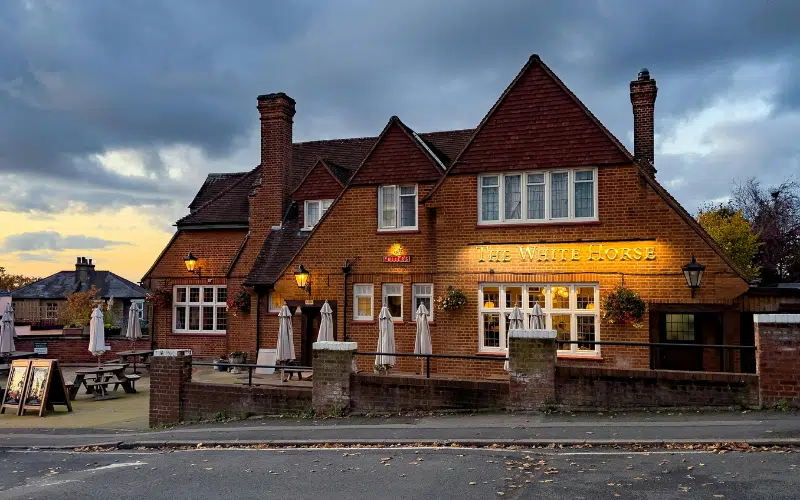
A pub mortgage is a type of commercial mortgage tailored to pubs, bars, and inns. The loan is usually secured on the property.
Many lenders assess both the building and the trading business. You will hear this called a going concern approach.
Some pubs include living space above the bar. In that case a mixed use mortgage may apply. The lender looks at both your personal profile and the business plan.
Freehold or leasehold
You can buy a freehold pub or a leasehold interest.
Freehold gives you full ownership of the land and building. Lenders often prefer this route. It can support stronger loan terms and wider lender choice.
Leasehold gives you the right to trade in the property for a set term. You may also be buying goodwill and fixtures. Fewer lenders accept leasehold pubs. Where they do, the loan size often links to the lease length and the business performance.
Mixed use with accommodation
Many pubs have owner accommodation. You may plan to live above the venue or let rooms to staff or guests. A mixed use mortgage can fit this layout.
The lender will assess personal income alongside trading profits. Expect a deposit larger than a typical home loan. Expect terms closer to commercial lending.
Find out Your Options
What lenders look for
Every pub is unique. Lenders therefore underwrite manually. You can improve your chances by preparing the right evidence.
They will usually want to see:
- Trading accounts and management information
- Recent bank statements for the business
- A detailed business plan and cash flow forecasts
- Your experience in hospitality or wider management
- Evidence of licensing and compliance
- Information on location, footfall, and competition
How valuations work
Valuers do more than note the size and condition of the building. For trading pubs they consider the income that the site can sustain.
You may hear terms like going concern value or yield based assessment. They look at sales mix, gross profits, controllable costs, and sustainable earnings.
Some lenders use a multiple of maintainable earnings. Others blend a property view with a business view.
If rooms or events add profit, that can lift value. Clean, up to date accounts help. So do clear explanations for any recent changes in trade.
Costs and fees you should plan for
Buying or refinancing a pub carries several costs beyond the deposit. Budget for:
- Valuation fees for a specialist report
- Lender arrangement fees, sometimes added to the loan
- Legal fees for you and the lender
- Survey and compliance checks
- Stamp duty where it applies
- Working capital for stock, staff, and early marketing
Deposit, loan to value, and affordability
Lenders commonly lend up to around sixty five to seventy five percent of the going concern value for strong cases.
That means you bring a deposit of at least twenty five to thirty five percent. Some lenders offer lower or higher ranges based on experience, accounts, and location. This depends on the lender and the overall application.
Affordability matters as much as value. Lenders want to see that net profit covers interest and capital with headroom.
They test serviceability against higher stress rates. They may also check that personal drawings remain sensible after debt service.
New to trade, no accounts, or weaker credit
You may be buying your first pub. You may lack full accounts. Or you may be recovering from historic credit issues. You may still have options.
Expect lower loan to value and closer scrutiny. A strong plan and realistic forecasts are essential.
How rates and terms are set
Rates vary with risk, loan size, deposit, and the strength of the business. You can choose fixed or variable.
Fixed rates often cover an initial period, for example two or five years, after which the loan reverts to a tracker or a lender rate.
Terms for pub mortgages often run from five to twenty years. You can choose capital repayment or interest only, subject to the exit plan and the lender’s view / criteria.
Buying a pub at auction or in need of works
Speed can be key with auctions. Bridging finance can help you complete in weeks subject to full underwriting.
You then refurbish, stabilise trade, and switch to a term mortgage. The exit must be clear from the start to gain confidence with the lender.
Freehold versus tied and managed models
Your trading model affects lender appetite. A free of tie pub with control over product mix often gives more pricing freedom. A tied tenancy can restrict choice but may offer supply support and brand pull.
Managed operations have different cash dynamics. Lenders examine the agreement, delivery margins, and any break clauses.
How long does it take to complete
Allow six to twelve weeks in many cases. Complex titles, licensing, or refurb plans can add time. Early preparation speeds things up and all cases are completely different.
Are rates fixed or variable
Depending on the lender, you can choose either. Many borrowers take a fixed period for certainty, then review once trade is stable.
Conclusion
Mortgages for pubs reward careful planning. Lenders assess more than a building. They look at trade, people, and place.
If you are exploring a purchase, a refinance, or a bridge to refurbish, speak to us. Contact Kerr and Watson today for tailored advice.