
Understanding Flying Freeholds: How to Secure a Mortgage for Unique Property Situations
Buying a home is an exciting journey, but it can become more complex when encountering unique property situations like a flying freehold.
Flying freeholds, where a part of a property overhangs or underlies a neighbouring property, often raise questions and concerns, particularly regarding mortgages if you are not talking with the correct lenders.
We’ll explore what a flying freehold is, the potential issues it may pose, and how Kerr & Watson can provide expert guidance to help you secure a mortgage for such properties.
What is a Flying Freehold?
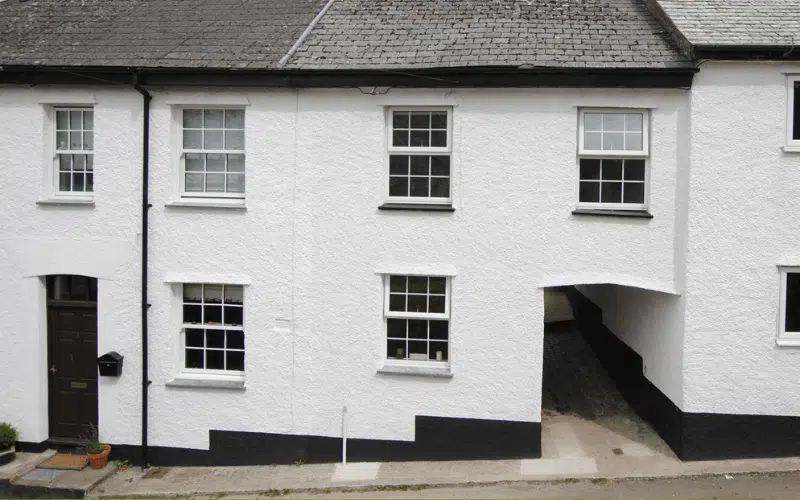
A flying freehold refers to a situation where a portion of a freehold property extends over or under a neighbouring property. This can include scenarios such as:
- An upper-floor room extending over a shared passageway.
- A balcony protruding over a neighbour’s land.
- Properties built on a steep hill where one part relies on the structural support of another.
These situations create a unique legal and ownership structure, as the owner of the flying freehold does not own the land or building beneath the “flying” part.
While this can create interesting architectural layouts, it also introduces complexities in property ownership and management.
Key Differences: Freehold vs. Leasehold
Before diving deeper, you should understand the distinction between freehold and leasehold properties:
- Freehold: The owner owns the property and the land it stands on indefinitely. This includes the right to make alterations and sell the property without needing permission from another entity.
- Leasehold: The owner has a lease from the freeholder (landlord) to use the property for a number of years, decades, or centuries. Ownership of the property returns to the freeholder at the end of the lease.
What is the difference between Freehold and Leasehold
Flying freeholds are part of the freehold category but involve additional complexities due to the overlapping ownership rights with neighbouring properties.
Challenges with Flying Freehold Properties
Owning or buying a flying freehold property can present several challenges, including:
- Access Issues: You may need access to the neighbouring property for maintenance or repair work. Without proper legal agreements, gaining this access can be difficult.
- Disputes with Neighbours: Conflicts can arise if neighbours disagree on repairs, maintenance responsibilities, or changes affecting the structural integrity of the properties.
- Lender Restrictions: Many mortgage lenders are cautious about financing flying freehold properties. They often require additional legal assurances, such as covenants or indemnity insurance, to mitigate risks.
- Legal and Structural Complications: Inadequate legal documentation or structural issues can complicate the buying or selling process, potentially affecting the property’s marketability.
Find out Your Options
Securing a Flying Freehold Mortgage
Despite these challenges, securing a mortgage for a flying freehold property is possible, especially with the right guidance. Here’s how Kerr & Watson can help:
Expert Mortgage Advice
At Kerr & Watson, we specialise in navigating complex property scenarios when it comes to getting finance.
Our experienced advisors understand the nuances of flying freehold mortgages and can guide you through the process, ensuring you meet the necessary criteria for mortgage approval.
Finding the Right Lender
Not all lenders are willing to finance flying freehold properties, and those who do often have specific requirements.
Our team has strong relationships with a wide range of lenders, including those with specialised products for unique property situations. We’ll match you with the lender best suited to your needs.
Legal Considerations
A crucial aspect of buying a flying freehold property is ensuring that all legal aspects are adequately addressed.
This includes verifying the presence of necessary covenants that allow access for repairs and prevent any actions that might compromise the structural integrity of the property.
Our advisors work closely with conveyancers to ensure all legal bases are covered, protecting your investment.
The Role of Indemnity Insurance
One common requirement for flying freehold mortgages is indemnity insurance. This insurance protects both the homeowner and the lender against potential legal disputes or financial losses arising from the flying freehold arrangement. Typically, it involves a one-off payment and covers issues related to access, repairs, and structural integrity. Your conveyancer will be able to guide you here.
Conclusion
Flying freehold properties present unique challenges but also offer unique opportunities.
With the right advice and support, you can make sure you’re only dealing with lenders that consider these properties and secure a mortgage that suits your needs.
At Kerr & Watson, we pride ourselves on our expertise in niche property markets and our commitment to providing personalised, reliable mortgage and protection advice.
If you’re considering a flying freehold property or need assistance with any mortgage-related matters, contact Kerr & Watson today.