
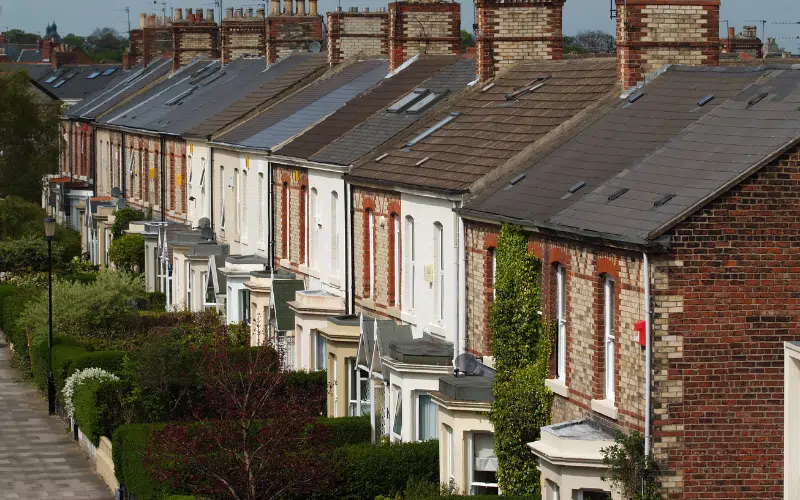
Can you remortgage an unencumbered property?
Yes — you can take out a mortgage on a property you own outright to release equity.
Although there is no existing mortgage to replace, lenders still assess this in a similar way to a remortgage, focusing on affordability, credit profile, and how much you want to borrow.
Owning a property outright is a significant achievement and provides financial freedom.
However, even without a mortgage, you might find yourself needing extra funds, whether for home improvements, a new investment, or other personal reasons.
This is where remortgaging an unencumbered property comes into play. In this guide, we’ll explore the concept of remortgaging an unencumbered property, the benefits and potential risks involved, and how Kerr & Watson can guide you through the process to secure the best mortgage deal for your individual situation.
Not sure how much you could borrow against your property?
Releasing equity from a mortgage-free property can be straightforward, but lender criteria still applies. Getting the structure right early can help you access better rates and avoid delays.
At Kerr & Watson, we help you understand how much you can borrow and match you with lenders suited to your situation. Speak to us today to explore your options.
What is an Unencumbered Property?
An unencumbered property is a property that has no outstanding mortgage or loans against it. This can occur if you have fully paid off your mortgage, bought the property with cash, or inherited it without any financial liabilities attached. In essence, owning an unencumbered property means you own 100% of the equity with no mortgage secured against the property.
Why Consider Remortgaging an Unencumbered Property?
There are several reasons why homeowners might consider remortgaging their unencumbered property:
- Releasing Equity: Access funds for home improvements, buying another property, or making a significant purchase like a new car.
- Debt Consolidation: Combine multiple debts into a single mortgage payment, potentially at a lower interest rate. Professional advice should always be taken here as this will result in higher costs over the period of the term. Remortgaging for Debt Consolidation
- Investment Opportunities: Use the equity to invest in buy-to-let properties or other ventures.
- Personal Projects: Finance personal projects or large expenses, such as large personal expenses or starting a new business.
Qualifying for an Unencumbered Mortgage
Qualifying for a mortgage on an unencumbered property can be simpler, as the lender has full security over the property. However, lenders will still require you to meet certain criteria:
- Affordability Check: Lenders will assess your income, credit history, and current financial situation to ensure you can afford the mortgage repayments. Check out our Affordability Calculator.
- Loan-to-Value Ratio (LTV): This ratio compares the loan amount to the property’s value. A lower LTV often means better mortgage rates. For example, borrowing £180,000 on a £300,000 property results in a 60% LTV.
- Employment Status: Your employment and income stability will impact your eligibility and the terms of the mortgage. Retirees or those nearing retirement may face additional scrutiny regarding repayment terms to ensure they can continue paying the mortgage.
- Credit Score: A good credit score can open the door to better mortgage deals. However, even with a poor credit history, options may still be available, although they may come with higher interest rates. To get a copy of your credit file, go to www.checkmyfile.co.uk
How much can you borrow on an unencumbered property?
The amount you can borrow depends on both the property value and your personal affordability.
Lenders typically offer:
- Up to 60%–75% loan-to-value (LTV)
- Higher LTVs may be possible depending on circumstances
- Borrowing based on income and affordability, not just property value
Even though you own the property outright, you still need to prove you can afford the repayments.
Lenders will not base borrowing purely on the property value — affordability is still the key factor.
Is it a remortgage or a new mortgage?
Technically, taking a mortgage on an unencumbered property is a new mortgage, as there is no existing loan to replace.
However, many lenders and brokers still refer to this as a remortgage because the process is similar and the funds are being released against an existing property.
In practice, the application is assessed in the same way as a standard remortgage.
Find out Your Options
How does remortgaging an unencumbered property work?
The process is similar to a standard mortgage application:
- Property valuation is carried out
- Your income and affordability are assessed
- Credit checks are completed
- A mortgage offer is issued if approved
Even without an existing mortgage, lenders still carry out full underwriting before releasing funds.
Funds are then released once the mortgage completes, either as a lump sum or for a specific purpose such as debt consolidation or investment.
Considerations Before Remortgaging
Before deciding to remortgage your unencumbered property, consider the following:
- Financial Stability: Assess whether you can comfortably afford the new monthly payments, including any interest and fees.
- Purpose of Funds: Clearly define why you need the funds and whether taking out a mortgage is the best option.
- Long-term Implications: Understand the long-term financial commitment and the potential impact on your lifestyle.
Risks and Benefits of Remortgaging
Benefits:
- Access to Capital: Unlock significant sums of money tied up in your property.
- Potential for Lower Interest Rates: Secure lower interest rates compared to unsecured loans.
- Flexibility: Use the funds for various purposes, from home renovations to investments.
Risks:
- Increased Financial Commitment: Taking on a new mortgage means monthly payments, which could strain your finances.
- Risk of Repossession: Failure to keep up with mortgage payments could lead to losing your home.
- Impact of Interest Rates: Changes in interest rates can affect your monthly repayments.
- Your home may be at risk if you do not keep up repayments on your mortgage.
When might you not be able to remortgage an unencumbered property?
You may face challenges if:
- Your income does not meet affordability requirements
- You have significant adverse credit
- You are close to retirement without a clear repayment plan
- The property is not suitable security
In these cases, specialist lenders may still be an option, but criteria will be stricter.
Can You Remortgage with Bad Credit?
Yes, it’s possible to remortgage an unencumbered property even with bad credit, though it may limit your options. Lenders will consider the severity and recency of credit issues, such as missed payments, defaults, or more severe cases like IVAs or bankruptcy.
Frequently asked questions about remortgaging an unencumbered property
Can I get a mortgage on a property I own outright?
Yes, as long as you meet affordability and lender criteria.
Is it easier to get a mortgage on an unencumbered property?
It can be, as the lender has strong security, but affordability still applies.
How long does it take?
Typically 4–8 weeks, depending on complexity.
Can I release equity without selling my property?
Yes, this is one of the main reasons people take a mortgage on an unencumbered property.
Conclusion
Remortgaging an unencumbered property can be a smart financial move, offering access to funds for various purposes.
However, it’s essential to consider the implications carefully and seek professional advice to ensure it’s right for your unique situation.
Need help remortgaging a mortgage-free property?
At Kerr & Watson, we help you release equity in the most efficient way, ensuring your application meets lender criteria and secures the best possible rates.
Contact us today to explore your options and avoid unnecessary delays.